
Weather Resistance in Gutter Systems Explained
Weather Resistance in Gutter Systems Explained
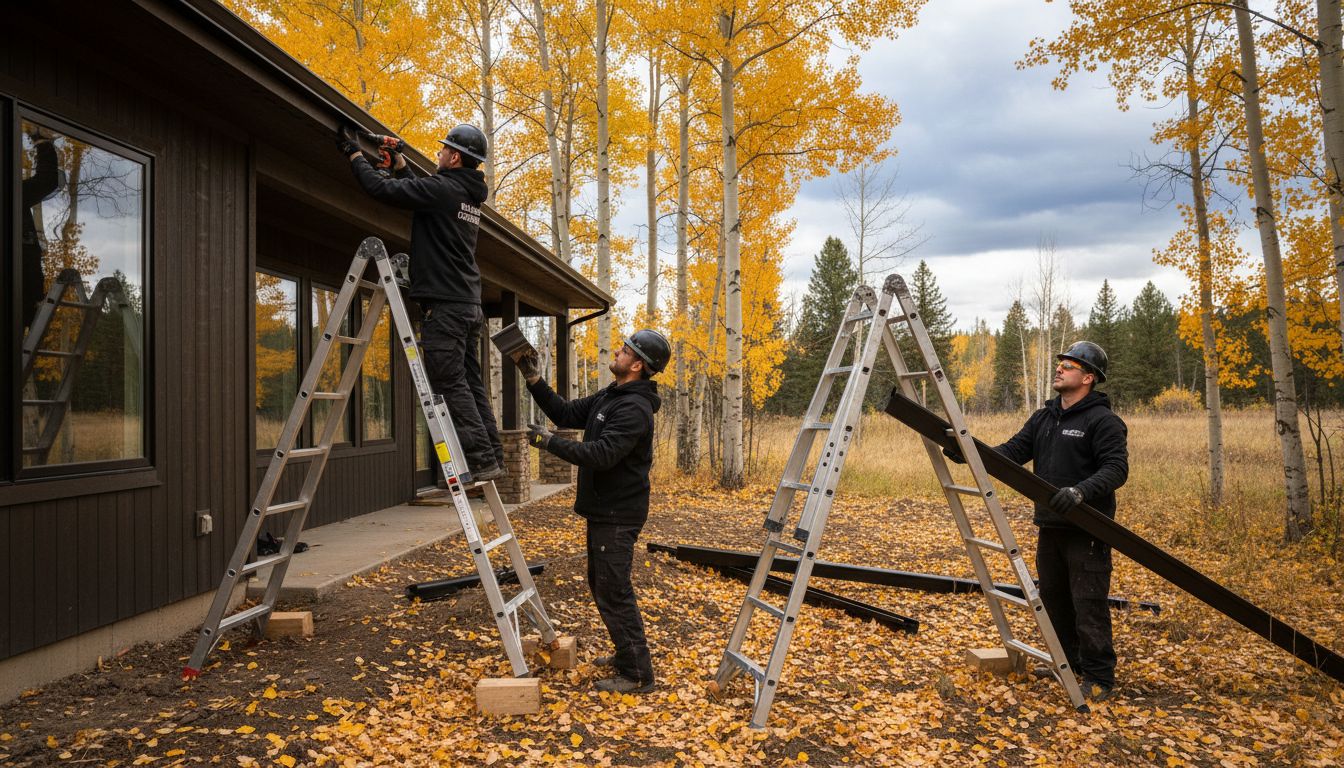
Over 60 percent of american homes suffer preventable water damage each year due to inadequate gutter protection. Proper weather resistance in gutters matters to anyone facing unpredictable storms, heavy snow, or dramatic temperature swings. Investing in the right system can mean the difference between costly repairs and peace of mind. This guide breaks down what makes gutters truly weatherproof and shows how smart choices can safeguard your property through any climate challenge.
Table of Contents
Key Takeaways
| Point | Details |
|---|---|
| Weather resistance is essential | Gutter systems must be designed to withstand harsh climatic conditions, including temperature extremes and heavy precipitation. |
| Material selection impacts durability | Choosing the right material, such as aluminum or galvanized steel, is crucial for long-term performance in Montana’s varied weather. |
| Regular maintenance is critical | Seasonal inspections and cleaning help prevent blockages and structural weaknesses that could lead to costly repairs. |
| Installation precision matters | Proper installation, including correct slope and material compatibility, ensures optimal water management and system longevity. |
Defining Weather Resistance in Gutter Systems
Weather resistance in gutter systems represents the critical ability of drainage infrastructure to withstand and effectively manage environmental challenges without compromising structural integrity or performance. More than just a passive component, weather-resistant gutters are engineered solutions designed to protect residential and commercial properties from potential water damage across diverse climatic conditions.
At its core, weather resistance encompasses multiple technical attributes that enable gutters to perform consistently under stress. These include durability against temperature fluctuations, resistance to UV degradation, capacity to handle heavy precipitation, and structural resilience against wind, snow, and ice loading. Montana’s unique climate demands gutters that can rapidly transition from intense summer heat to freezing winter conditions without developing structural fatigue or compromising water management capabilities.
The fundamental elements contributing to weather resistance include material composition, design engineering, and protective coatings. Aluminum gutters with specialized powder-coated finishes, for instance, provide superior corrosion protection and thermal expansion resistance. Gutter Guard Installation in Montana further enhances weather resistance by preventing debris accumulation that could compromise drainage efficiency during extreme weather events.
Key characteristics of weather-resistant gutter systems involve:
- Seamless construction minimizing potential leak points
- Robust mounting systems capable of withstanding high wind loads
- Materials engineered for thermal contraction and expansion
- Advanced surface treatments preventing premature material degradation
- Integrated drainage designs that optimize water flow during intense precipitation
Understanding these complex interactions between materials, design, and environmental conditions allows property owners to make informed decisions about selecting gutter systems capable of providing long-term protection against Montana’s challenging weather patterns.
Common Gutter Materials and Their Durability
Gutter systems in Montana require robust materials capable of withstanding extreme weather variations, making material selection a critical decision for property owners. The most prevalent gutter materials include aluminum, galvanized steel, copper, and vinyl, each offering unique characteristics that impact long-term performance and durability in challenging environmental conditions.
Aluminum gutters in MT represent the most popular choice, prized for their lightweight construction, corrosion resistance, and excellent thermal adaptability. These gutters can withstand significant temperature fluctuations without structural compromise, making them ideal for Montana’s harsh climate. Specialized powder-coated aluminum variants provide additional protection against UV degradation and surface wear, extending the system’s operational lifespan. Gutter Repair In Montana experts frequently recommend aluminum for its combination of affordability and resilience.
Galvanized steel gutters offer exceptional strength and durability, particularly suited for regions experiencing severe weather patterns. Scientific research indicates that galvanized steel demonstrates superior performance in rainwater harvesting systems, suggesting its robust material properties can effectively manage water management challenges. The zinc coating provides critical corrosion protection, allowing these gutters to maintain structural integrity even under prolonged exposure to moisture and temperature extremes.
Key durability characteristics for gutter materials include:
- Resistance to thermal expansion and contraction
- Corrosion and rust prevention capabilities
- Structural load-bearing capacity
- Surface treatment effectiveness
- Longevity under consistent environmental stress
Copper gutters represent the premium option, offering unparalleled aesthetic appeal and exceptional durability.
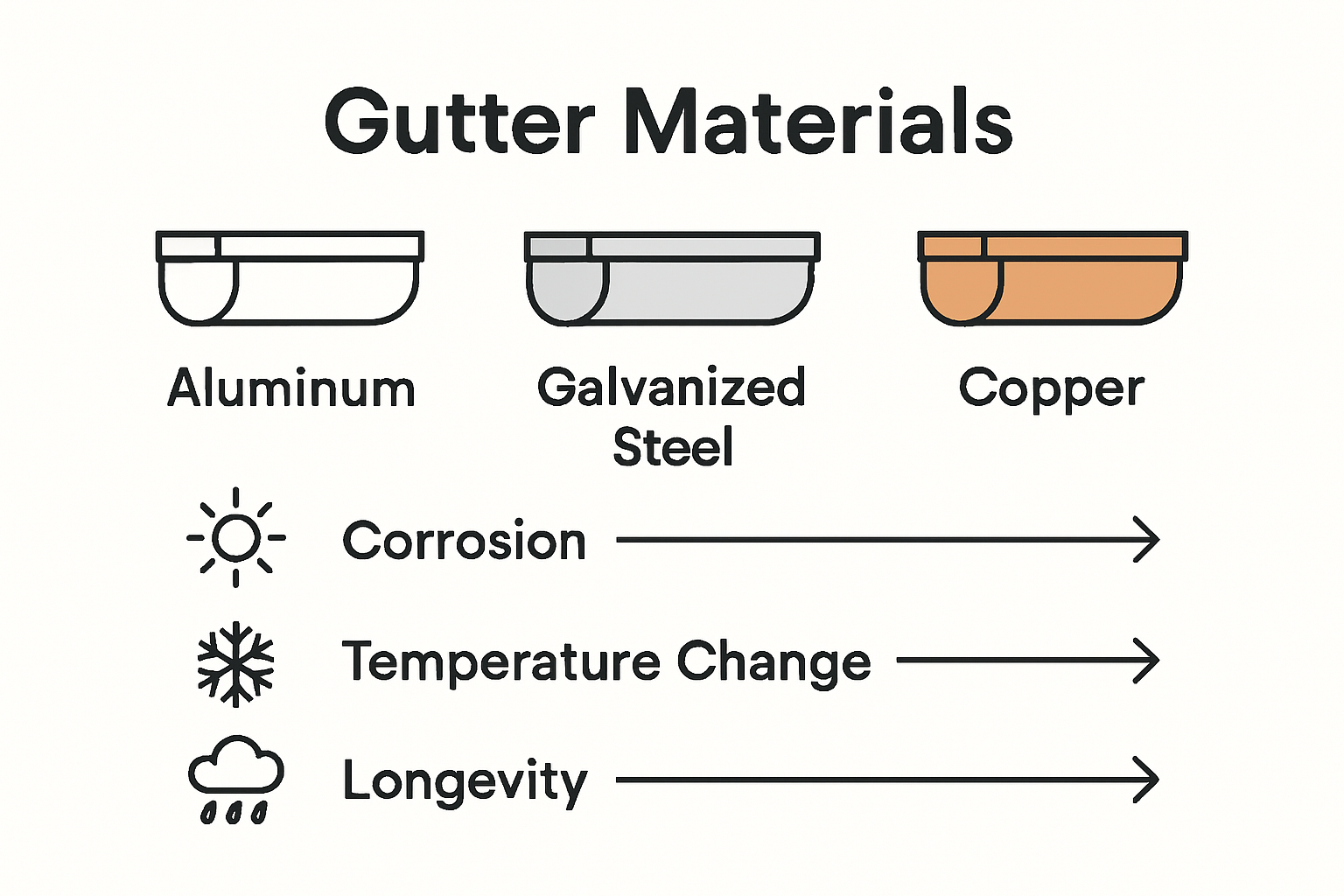
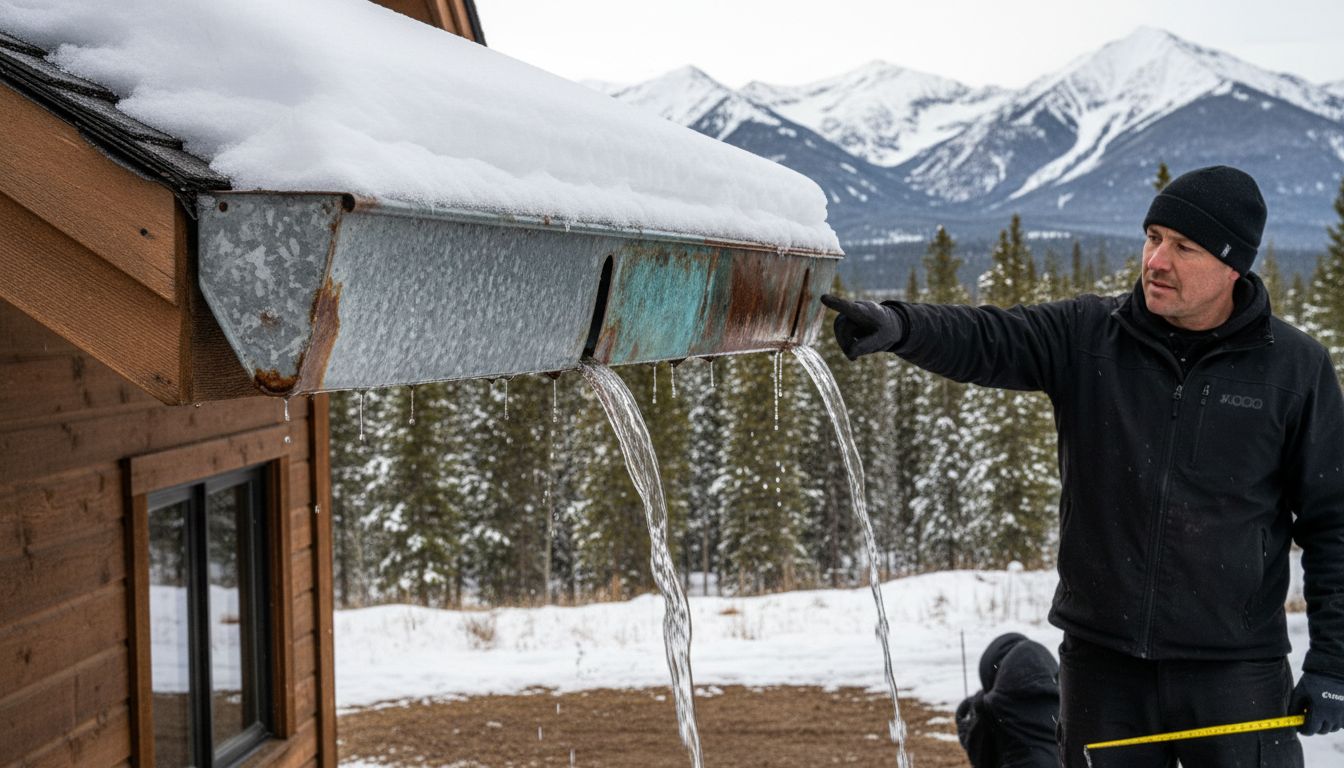 While initially more expensive, copper develops a protective patina over time that enhances its weather resistance and prevents degradation. These gutters can last decades with proper maintenance, making them an attractive long-term investment for property owners seeking maximum performance and visual elegance.
How Montana’s Climate Impacts Gutters
Montana’s extreme and unpredictable climate presents unique challenges for gutter systems, demanding specialized design and materials that can withstand rapid temperature shifts, intense precipitation, and substantial snow and ice loads. The state’s diverse geographical landscape ranges from mountain regions to high plains, creating environmental conditions that test the resilience of residential and commercial drainage infrastructure.
Temperature variations represent a critical stress factor for gutter systems in Montana. Temperatures can plummet from summer highs near 90 degrees Fahrenheit to winter lows approaching negative 30 degrees, causing substantial thermal expansion and contraction. These dramatic shifts create significant mechanical stress on gutter materials, potentially leading to structural weakening, seal failures, and potential water management disruptions. Gutter Maintenance & Gutter Cleaning in Montana becomes essential in mitigating these climate-induced challenges.
Precipitation patterns in Montana further complicate gutter performance. The state experiences substantial snowfall in mountainous regions, with annual accumulations sometimes exceeding 100 inches, alongside intense summer thunderstorms that can produce rapid, heavy rainfall. These conditions require gutter systems capable of handling significant water volume while preventing ice dam formation during winter months. Gutters must efficiently channel melting snow and ice, preventing water from backing up and potentially causing structural damage to roofing and foundation areas.
Key climate-related challenges for Montana gutter systems include:
- Extreme temperature fluctuations between seasons
- Heavy snowfall and rapid snowmelt
- Potential ice dam formation
- High wind conditions in open plains
- Rapid transition between dry and wet weather conditions
Understanding these unique environmental stressors allows homeowners and property managers to select gutter systems with enhanced durability, specialized materials, and design features that provide reliable water management throughout Montana’s challenging seasonal transitions.
Maintenance Practices for Long-Term Weather Protection
Maintaining gutter systems in Montana requires a proactive approach that addresses the unique challenges posed by Montana’s demanding climate. Regular maintenance is not just a recommendation but a critical strategy for protecting property investments and ensuring optimal water management performance through seasonal transitions.
Seasonal gutter inspections represent the cornerstone of effective gutter maintenance. Homeowners should conduct comprehensive evaluations at least twice annually - typically in late spring and early fall - to identify potential vulnerabilities before they escalate into costly repairs. These inspections should include thorough assessments of gutter alignment, checking for signs of sagging, examining mounting brackets, and evaluating the integrity of sealant joints. Elite Gutter Replacements in Montana professionals recommend using specialized tools to detect even minor structural compromises that could impact long-term weather resistance.
Debris management plays a crucial role in maintaining gutter system performance. Montana’s diverse landscape produces significant organic material that can quickly accumulate in drainage systems, including pine needles, leaves, and wind-blown sediment. Implementing regular cleaning protocols prevents potential blockages that could lead to water overflow, ice dam formation, and structural stress. Advanced maintenance strategies include installing gutter guards, implementing systematic cleaning schedules, and using specialized removal techniques that minimize potential damage during the cleaning process.
Key maintenance practices for optimal gutter performance include:
- Quarterly visual inspections of entire gutter system
- Immediate repair of any detected structural weaknesses
- Professional cleaning at least twice annually
- Checking and replacing worn mounting hardware
- Ensuring proper drainage slope and alignment
- Applying protective coatings to prevent corrosion
Understanding that preventative maintenance is significantly more cost-effective than reactive repairs, Montana homeowners should develop comprehensive gutter care strategies that anticipate potential environmental challenges and proactively address them before significant damage occurs.
Mistakes to Avoid With Weatherproof Gutters
Weatherproof gutter systems require strategic planning and meticulous execution, with even minor errors potentially compromising their long-term performance and protection capabilities. Homeowners in Montana must understand that seemingly insignificant mistakes can lead to substantial water management challenges and expensive structural repairs.
Improper installation represents the most critical error that undermines gutter weather resistance. Common mistakes include incorrect slope calculations, inadequate mounting bracket spacing, and poor sealant application. These installation errors can create weak points that allow water infiltration, accelerate material degradation, and reduce the overall effectiveness of the drainage system. Reliable Seamless Gutters Montana professionals emphasize that precision during initial installation is far more cost-effective than subsequent remediation efforts.
Neglecting material compatibility and environmental adaptation is another significant mistake property owners frequently make. Different gutter materials react distinctly to Montana’s extreme temperature variations, and selecting a material without considering local climate nuances can dramatically reduce system longevity. Aluminum gutters with inadequate thermal expansion coefficients, for instance, may develop structural stress and potential failure points during rapid temperature transitions characteristic of Montana’s challenging weather patterns.
Key mistakes that compromise gutter weather resistance include:
- Ignoring proper gutter slope and drainage angles
- Using mismatched mounting hardware and materials
- Failing to implement protective surface treatments
- Overlooking regular inspection and maintenance protocols
- Selecting inappropriate gutter materials for local climate
- Delaying repairs of minor structural damages
Understanding these potential pitfalls allows Montana homeowners to develop a proactive approach to gutter system management, ensuring robust weather protection and minimizing long-term maintenance expenses.
Protect Your Property with Weather-Resistant Gutters Tailored for Montana
Managing water effectively is crucial to safeguard your home or business from Montana’s harsh climate. This article highlights the importance of weather resistance in gutter systems tackling challenges like extreme temperature changes, heavy snow, and ice buildup. If you worry about gutter materials warping or leaking under stress or dealing with blocked gutters causing costly damage then you need solutions that combine durability, expert installation, and customized maintenance.
At Montana Gutter Pros, we specialize in providing seamless gutter systems crafted for Montana’s unique environment. Our offerings include high-quality aluminum, copper, and galvanized steel gutters with advanced weatherproof coatings designed to endure temperature fluctuations and prevent corrosion. We also provide professional gutter repair, gutter guard installation, and ongoing maintenance services that keep your gutters functioning optimally year-round.
Don’t wait for weather damage to threaten your property’s safety. Visit Montana Gutter Pros today and take the first step towards a reliable, weather-resistant gutter system that delivers peace of mind and long-term savings.
Frequently Asked Questions
What is weather resistance in gutter systems?
Weather resistance in gutter systems refers to the ability of gutters to withstand environmental challenges without compromising their structural integrity or performance. This includes durability against temperature fluctuations, resistance to UV degradation, and capacity to handle heavy precipitation.
What materials are best for weather-resistant gutters?
The best materials for weather-resistant gutters include aluminum, galvanized steel, copper, and vinyl. Aluminum is lightweight and corrosion-resistant, galvanized steel offers exceptional strength, while copper provides aesthetic appeal and durability. Each material has unique properties suited to different climate conditions.
How does Montana’s climate affect gutter performance?
Montana’s climate presents significant challenges for gutters, including extreme temperature fluctuations, heavy snowfall, and intense rain. Gutters must be designed to handle rapid transitions between wet and dry conditions, efficiently manage large volumes of water, and withstand ice dam formation.
What maintenance practices ensure long-term weather protection for gutters?
To ensure long-term weather protection, homeowners should conduct seasonal inspections, manage debris accumulation, perform regular cleaning, and check for any structural weaknesses. Applying protective coatings and ensuring proper alignment can also enhance the durability and performance of gutter systems.